Take the RESCHIP4EU Summer Challenge
Semiconductors are at the heart of modern technology. They power the smartphones we carry, the medical devices that support healthcare, the vehicles we drive, and the intelligent systems that increasingly shape our everyday lives. Despite their importance, many people rarely think about the role these tiny components play.
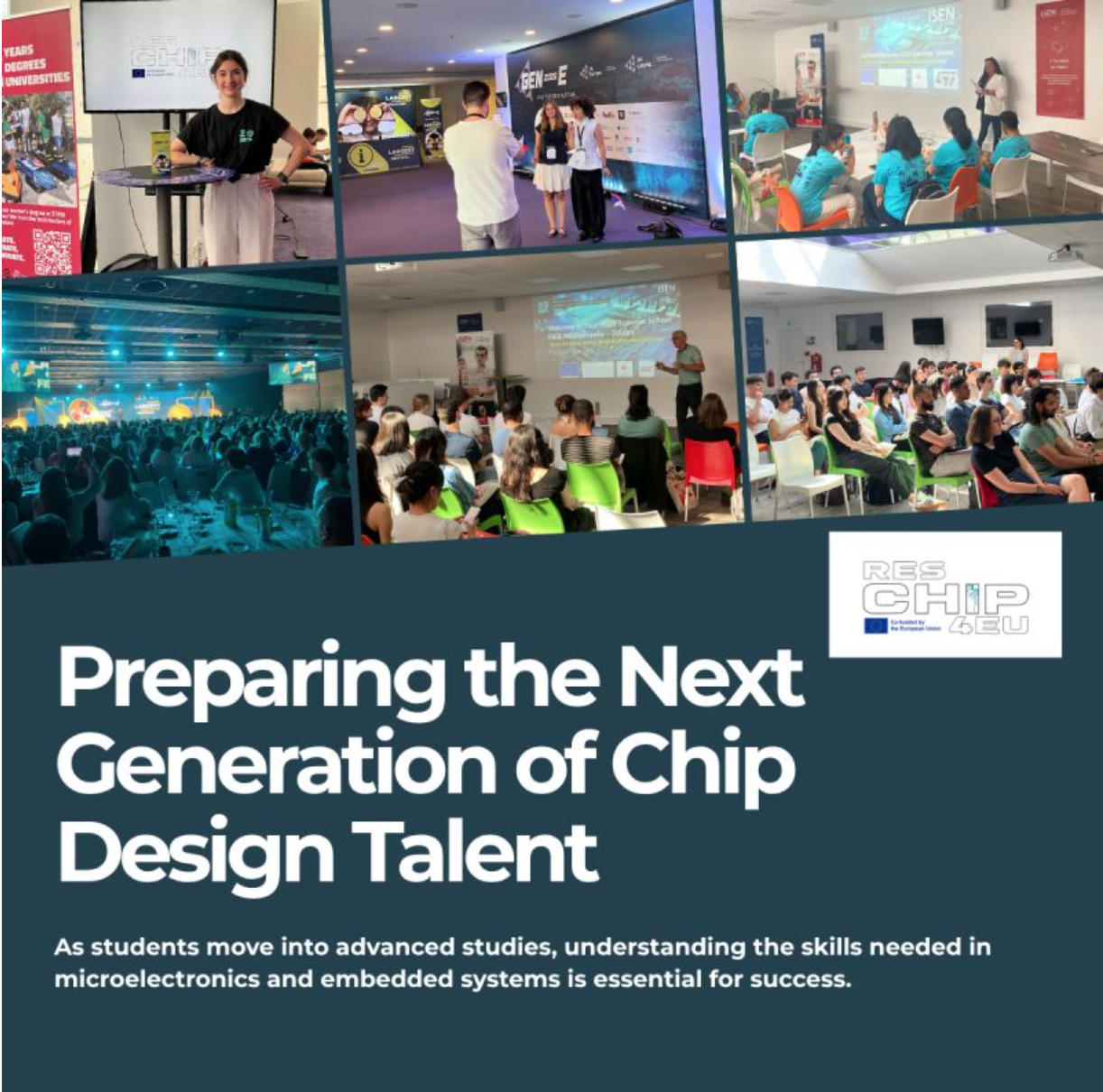
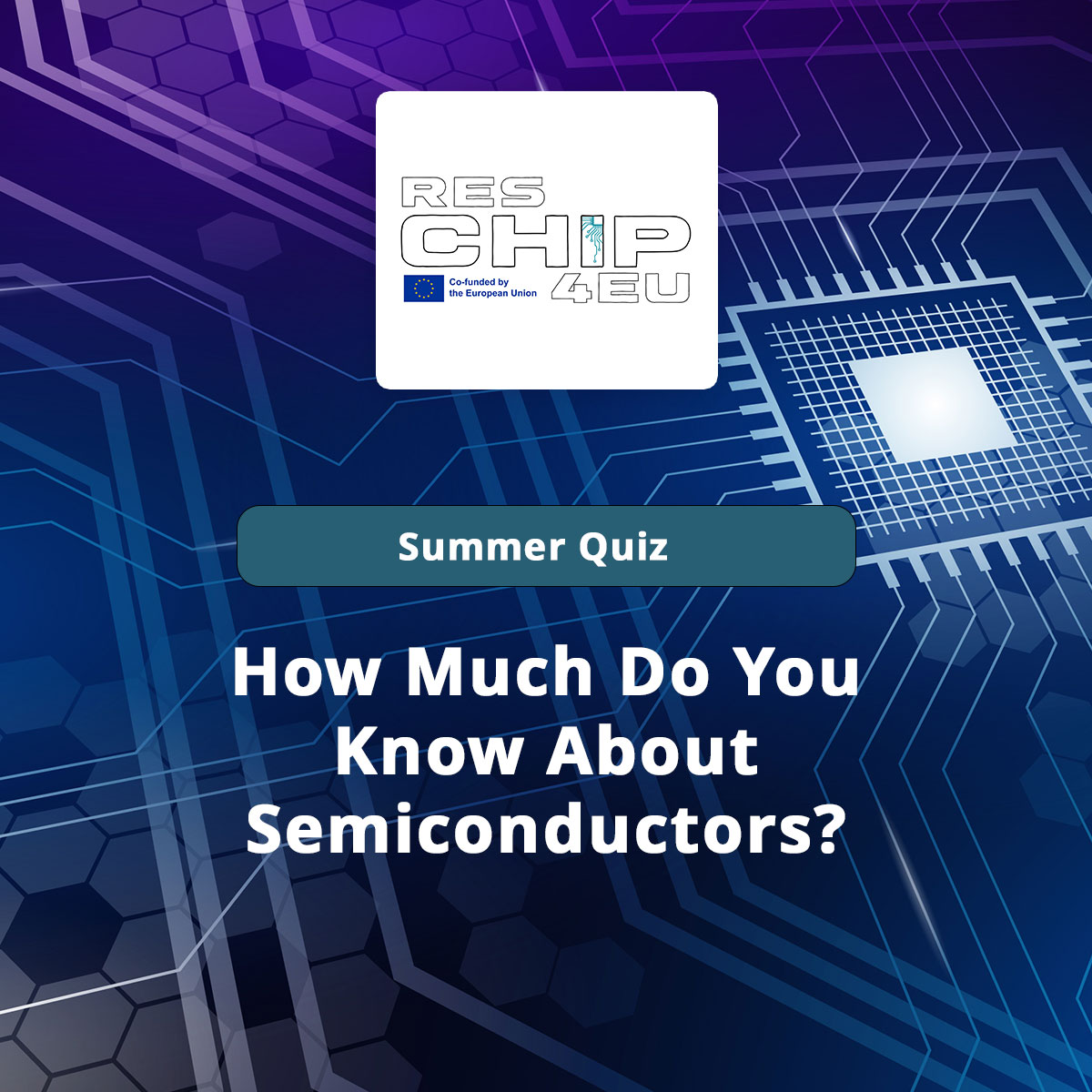
To make semiconductor education more accessible and engaging, RESCHIP4EU has launched the #ChipChallenge, a summer quiz series for anyone curious about chip design, embedded systems, and the technologies that power today’s digital world.
Each LinkedIn quiz presents a simple multiple-choice question that encourages participants to explore how semiconductors are used in everyday applications. Rather than testing specialist knowledge, the series aims to spark curiosity and help participants discover new concepts in an approachable way.
The correct answers, together with short explanations and additional learning resources, will be revealed in a special edition of the Inside RESCHIP4EU newsletter. This allows participants not only to check their answers but also to learn more about the engineering principles and technologies behind each question.
As partners, Evolutionary Archetypes Consulting SL and 28DIGITAL are pleased to support initiatives that make advanced topics more accessible to wider audiences while encouraging interest in Europe’s growing semiconductor ecosystem.
Think you know the answer to the first question? Take part in the #ChipChallenge and see how much you know about the technology powering our everyday lives.
→ ⚙️ Quiz Time: How Much Do You Know About Semiconductors?
Learn more about RESCHIP4EU: https://28digital.eu/eu-collaborations/reschip4eu
Project Number: 101158828 — RESCHIP4EU — DIGITAL-2023-SKILLS-04
Disclaimer: Co-Funded by the European Union. Views and opinions expressed are however those of the author(s) only and do not necessarily reflect those of the European Union or HADEA. Neither the European Union nor the granting authority can be held responsible for them.