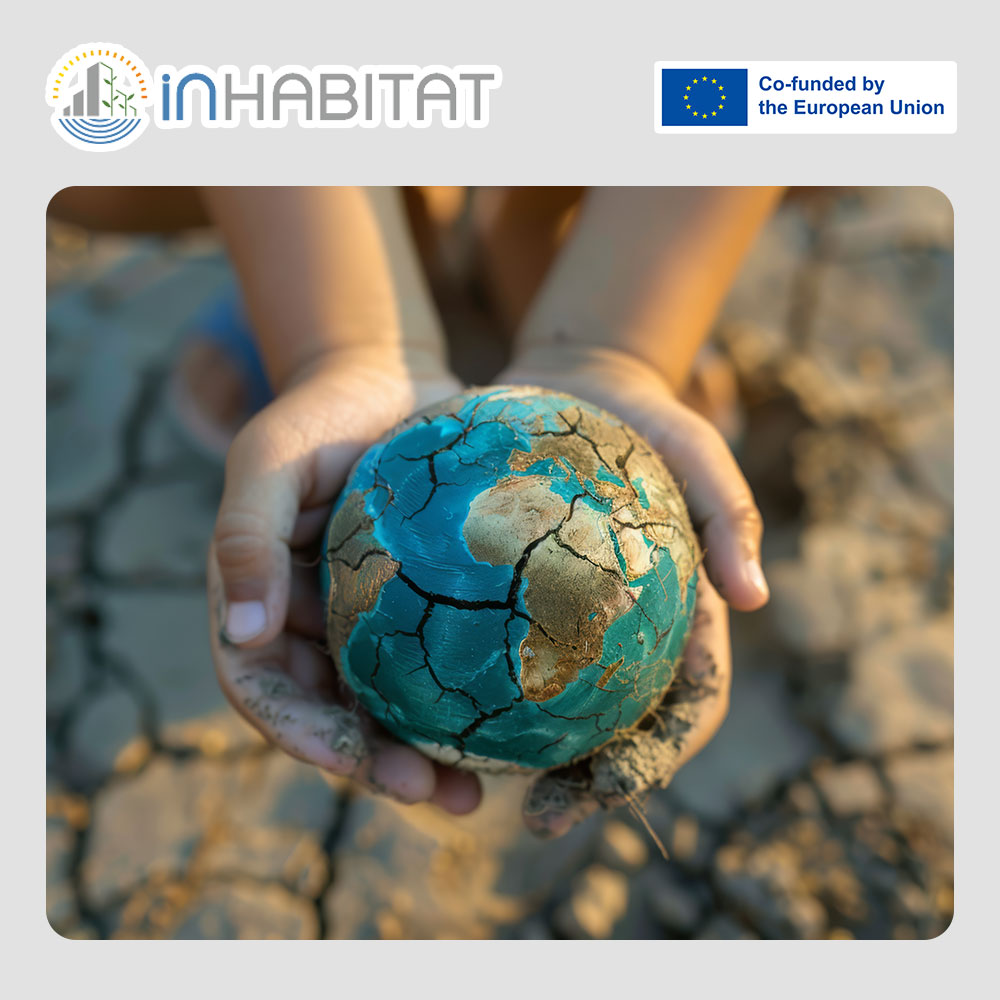
More than 90% of people in the EU see climate change as a serious problem. That level of awareness is significant – and it shows that concern is not the issue (Source: Eurobarameter).
And yet, progress is still not where it needs to be.
According to the European Environment Agency (EEA), “despite steady progress, the EU is only partially on track to achieve its 2030 climate, environment and sustainability objectives.”
This isn’t just a general observation – it comes from a detailed monitoring framework under the 8th Environment Action Programme (8EAP), which tracks progress using 28 indicators across areas such as climate neutrality, circular economy, biodiversity, and pollution (More information: EEA Report).
So why isn’t more changing?
One of the key reasons highlighted in the report is that many of these indicators are still off track, particularly in areas like circular material use, reducing the EU’s consumption footprint, and certain emissions targets. In other words, while progress exists, it is not happening at the scale or speed required.
If people really care so much, why aren’t things changing? Well, it doesn’t just come down to society’s actions, but also to how policies are implemented and supported in practice.
As Leena Ylä-Mononen, Executive Director of the EEA, explains, progress depends on “… bolder implementation of existing legislation, additional measures where needed and ensuring there is sufficient financing to deliver our climate, environment and sustainability objectives.”
Even when the direction is clear, change depends on whether systems are aligned to support it. That includes how regulations are applied, whether funding is available, and whether infrastructure makes sustainable choices accessible in everyday life.
For example, reducing consumption or increasing the use of circular materials is not just about individual decisions. It depends on how products are designed, how supply chains operate, and whether alternatives are realistically available. The same applies to areas like energy or transport, where systemic conditions shape what is possible at scale.
The EEA report makes this clear: progress is uneven, and in many areas, more decisive action is still needed.
Within the INHABITAT Project, these dynamics are explored across different areas of study. Students look at how environmental goals interact with economic systems, policy frameworks, and social realities, gaining a clearer picture of what it actually takes to move from awareness to measurable change.
Learn more: EEA Press Release
Funding Agency: EACEA – European Education and Culture Executive Agency
Learn more about INHABITAT: https://www.inhabitatmsc.eu/
101108631 — INHABITAT — ERASMUS-EDU-2022-PI-ALL-INNO
Disclaimer: Funded by the European Union. Views and opinions expressed are however those of the author(s) only and do not necessarily reflect those of the European Union or the European Education and Culture Executive Agency (EACEA). Neither the European Union nor EACEA can be held responsible for them.