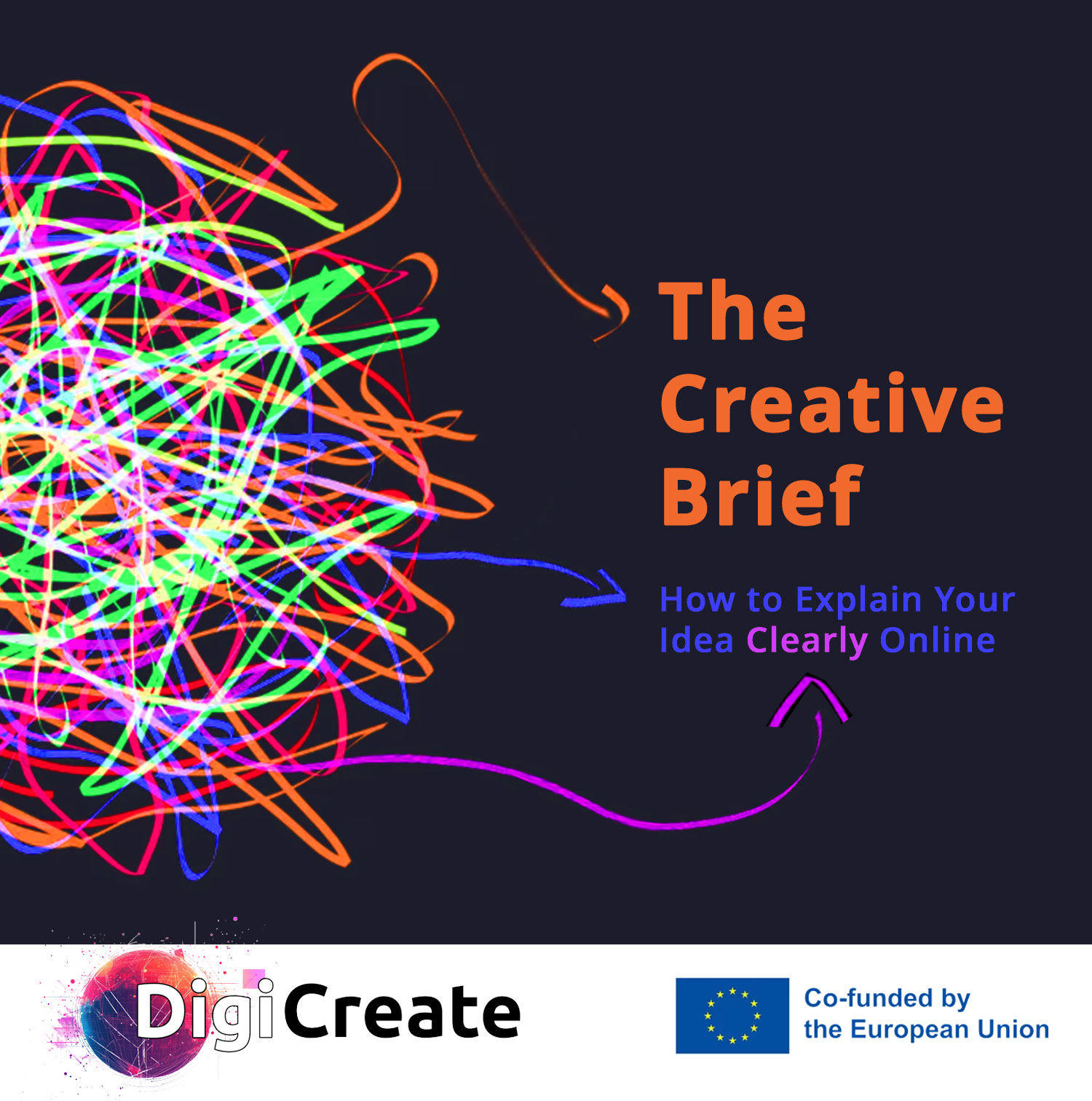
The Creative Brief: How to Explain Your Idea Clearly Online
A strong creative project often starts long before the first line is drawn, the first frame is edited, or the first piece of code is written. It starts with a simple moment of translation: taking a chaotic, exciting idea out of your head and putting it onto a page so that someone else can understand it completely.
For young creators working in digital spaces, this skill is everything. When you are collaborating across countries, cultures, and time zones, you can’t rely on casual, face-to-face check-ins to fix misunderstandings. Your ideas need to be structural, clear, and actionable from the very beginning.
This week, DigiCreate explores the foundational tool that turns creative inspiration into structured digital reality: The Creative Brief.
Why Ideas Get Lost in Translation Online
We have all been there: you have a brilliant vision for a video, a graphic campaign, or an interactive story. You try to explain it to a partner or team member in a quick message, but what they produce looks completely different from what you imagined.
This doesn’t mean your idea was bad, or that your partner wasn’t listening. It usually means the idea lacked a framework.
In digital and intercultural project spaces, a creative brief acts as a universal translator. It bridges the gap between different creative styles and language backgrounds by focusing on objective project pillars rather than vague artistic descriptions. When an idea is easy to understand, it becomes infinitely easier to receive constructive feedback, pitch to funding agencies, and distribute tasks effectively.
The 5-Step Checklist to Build a Clear Digital Brief
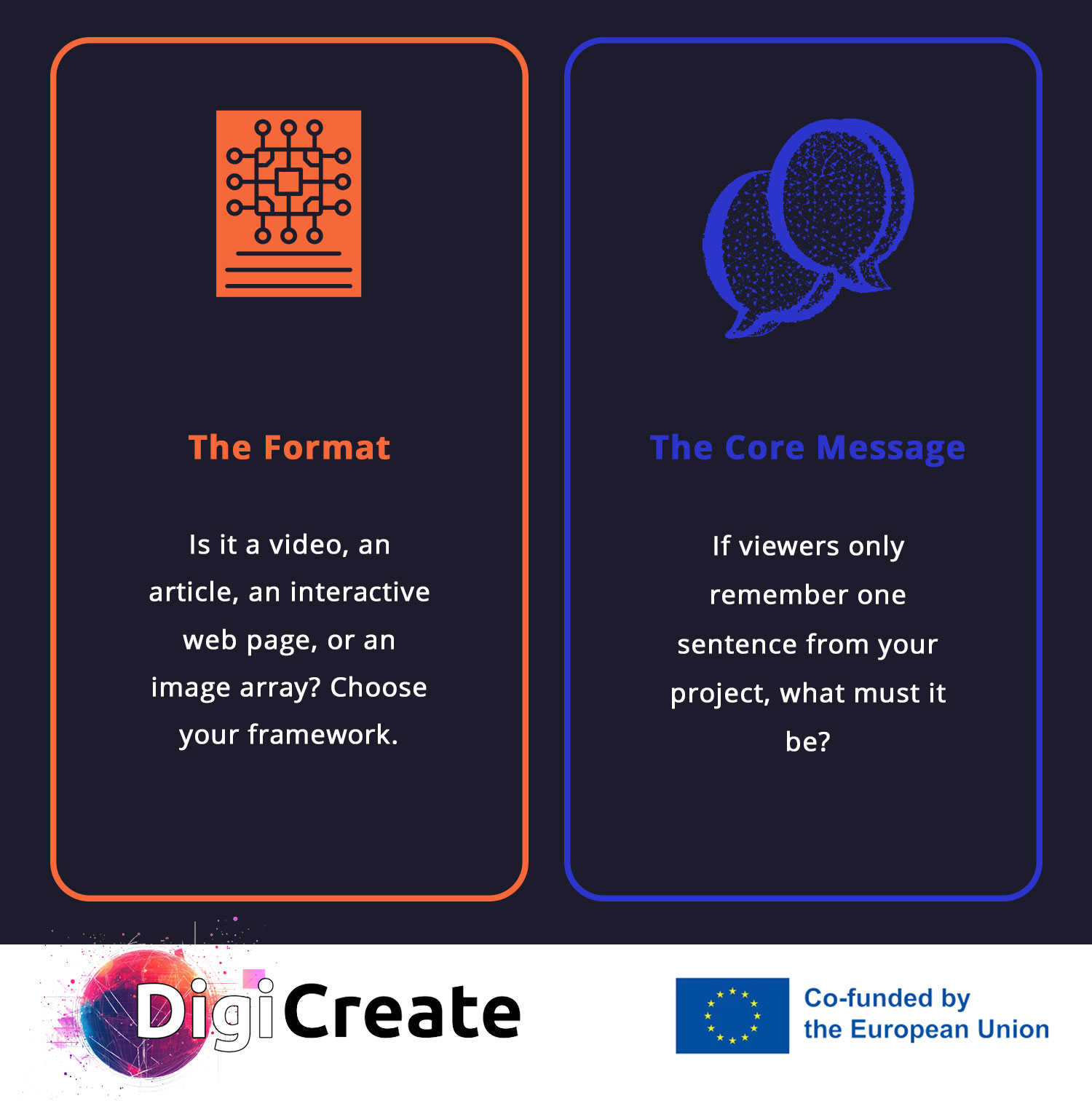
To turn a complex, messy concept into a sharp, professional brief, try structuring your next pitch using these five essential pillars:
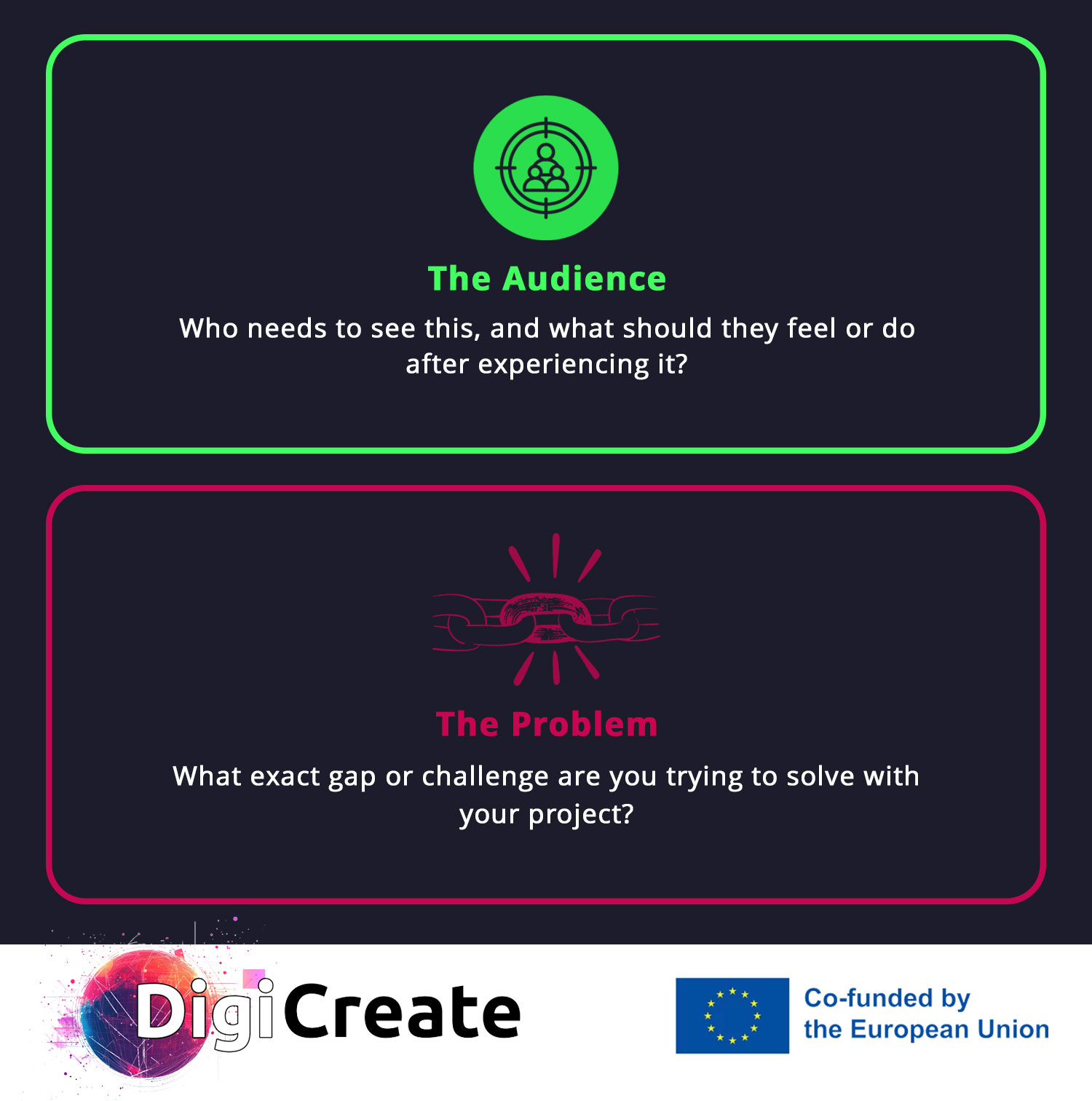
- The Problem: Every great piece of media solves something. Are you fighting climate misinformation? Raising awareness about local heritage? Define the exact gap your project addresses.
- The Audience: Who exactly is this piece for? A brief that targets “everyone” usually reaches no one. Define your demographic, their online habits, and what they should feel or do after encountering your work.
- The Format: Be specific about your boundaries. Is this a 60-second vertical video for Instagram, a downloadable PDF toolkit, or an interactive web dashboard? The format dictates your technical scope.
- The Core Message: If a user scrolls past your project and only remembers one single sentence, what must that sentence be? Boil your message down to its absolute essence.
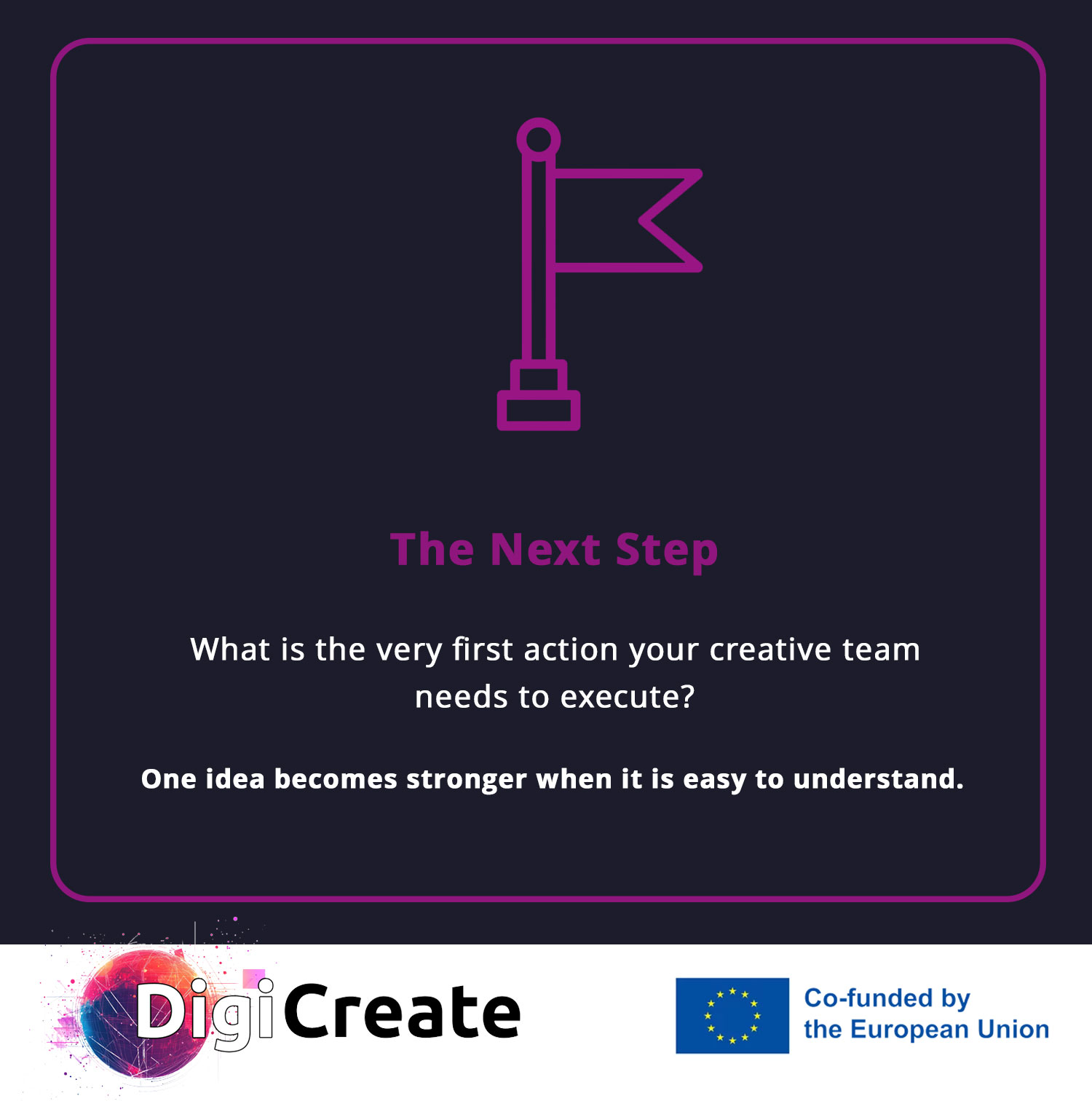
- The Next Step: A creative brief should always point toward execution. What is the immediate first task? Who is responsible for it, and when is it due?
Building Confidence in Intercultural Spaces
Learning how to construct a brief is more than just an organizational trick; it is an empowerment tool. For young creatives entering the professional creative industries or participating in international European youth initiatives, knowing how to clearly articulate an idea gives you an authoritative voice at the table.
It levels the playing field, ensuring that brilliant ideas aren’t sidelined simply because they weren’t structured or communicated effectively in digital spaces.
Ultimately, one idea becomes stronger when it is easy to understand. By adopting small, professional design habits like the creative brief, young innovators can participate with much greater confidence, turning cross-border brainstorming sessions into highly impactful digital outputs.
What is your creative routine?
What is one small habit, rule, or tool that helps you keep your creative thoughts organized when working with teams online? Head over to our social media channels and let us know!
Funding Agency: EACEA – European Education and Culture Executive Agency
101193474 — DigiCreate — ERASMUS-EDU-2024-VIRT-EXCH
Disclaimer: Funded by the European Union. Views and opinions expressed are however those of the author(s) only and do not necessarily reflect those of the European Union or the European Education and Culture Executive Agency (EACEA). Neither the European Union nor EACEA can be held responsible for them.